
Create a Wallet
Understand what a wallet creates and how signing authority is controlled before you receive assets.
Learn more →Use imtoken to organize multi-chain assets, choose the correct network, receive and send assets, review transaction records, connect to DApps and understand approvals. Learn network concepts and wallet security before you sign.
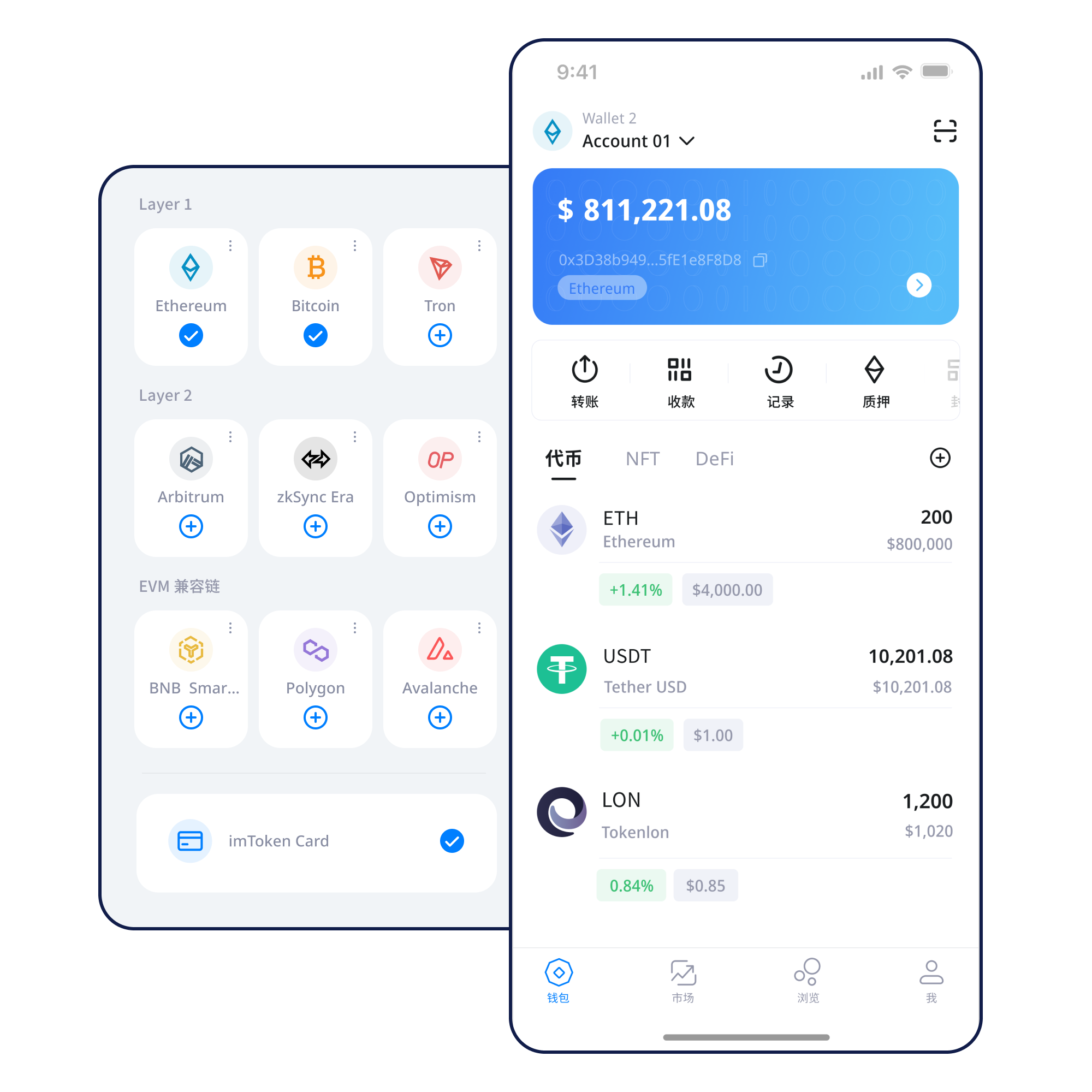
Understand what a wallet creates and how signing authority is controlled before you receive assets.
Learn more →Keep recovery information offline and separate from everyday online use before you make transfers.
Learn more →Check the receiving network, address and asset contract so the sender uses the same chain.
Learn more →Review address, network, amount, gas and destination support before signing the transfer.
Learn more →Verify the domain, connection request and every later signature or approval as a separate decision.
Learn more →Understand network differences, address checks and confirmations before you move value.
Use the mobile wallet for network management, asset review, transaction history and DApp workflows.
Check the receiving address, network, amount, gas and transaction hash as one connected process.
Review browser connections, DApp access, approval requests and the moment you disconnect.
Protect seed phrases and private keys offline, and review each approval before extending a contract permission.
Network identity affects fees, contracts, confirmations and where assets actually exist.
Compare network identity, address format, native gas asset and supported contracts before moving assets between chains.
Explore this topic →Learn how this network concept affects fees, confirmations and the path your transaction takes on-chain.
Explore this topic →
Learn how this network concept affects fees, confirmations and the path your transaction takes on-chain.
Explore this topic →
Learn how this network concept affects fees, confirmations and the path your transaction takes on-chain.
Explore this topic →
Learn how this network concept affects fees, confirmations and the path your transaction takes on-chain.
Explore this topic →Use the official download entry and confirm the product source before installation.
Understand whether you are creating new keys or restoring existing recovery information.
Keep the seed phrase offline and never send the private key to another person.
Match the receiving service, chain and asset before copying an address.
Review address, network, amount and gas, then sign only after the details match your intent.
Use the transaction hash to verify results and review approvals you no longer need.
A wallet connection does not justify accepting every later request. Review the exact purpose of each signature and approval.
Wallet security begins with control of recovery data and continues through network checks, DApp reviews, device hygiene and approval management. No interface can make every third-party contract absolutely safe, so the goal is to reduce avoidable risk with repeatable checks.
Open Security CenterLearn how addresses, seed phrases, private keys, networks, gas, transaction hashes, DApps and approvals fit together. Each concept explains a different part of the same on-chain decision process.
Start the first lesson →Learn how Proof of Stake, validators, protocol rewards, network status, withdrawals and exits relate to each other.
Read staking basics →Rewards can change. Exits can involve waiting, validators may be penalized, smart contracts can fail, third-party services add risk and digital-asset prices can move sharply.
Understand validators →Wallet and network guidance is organized by task so users can move from backup to transaction review without skipping key checks.
Network names and address formats can look similar. Always confirm the chain supported by the receiving service before sending.
imtoken will not ask for seed phrases, private keys or verification codes. Treat requests for those secrets as unsafe.
Ethereum staking and validator content now separates protocol rewards, waiting periods, penalties and third-party risks.
Use a trusted download entry point and decide how you will keep recovery information offline. Complete the seed phrase backup before receiving or sending meaningful assets.
A seed phrase commonly restores a set of wallet keys, while a private key directly controls signing for a specific account. Neither should be sent to anyone or submitted to “support” for verification.
Many EVM networks share the same address format, but chain ID, gas asset, contracts and network state remain separate. Similar addresses do not make the networks interchangeable.
Check the destination address, network, asset, amount and estimated gas. For an exchange or service, also confirm the deposit network it explicitly supports.
Gas is the network fee for executing and recording an on-chain action. It is generally determined by network rules and demand rather than being a fixed wallet charge.
A transaction hash identifies an on-chain transaction and can be used in a block explorer to review status, block height, confirmations, addresses and fees.
Connection usually opens an interaction channel, but later signatures, transactions or approvals may change on-chain state. Review each request separately.
Use the download entry after you understand the basic wallet, network and security checks.
Download imtoken